
The Hattie B. Cooper Community Center, located in Boston’s Roxbury neighborhood, has been a cornerstone of community support and education for over a century. Established in 1916, the center has consistently provided vital services to under-served children and their families, fostering growth, development, and opportunities for future success.
Founding and Early Years
The center was initiated by Mrs. Edith Scott, a social worker and the wife of Reverend Albert Scott, alongside Hattie B. Cooper, the first chairperson of the Women’s Home Missionary Society of the Methodist Episcopal Church. Recognizing a pressing need in the community to educate and safeguard youth, they opened the center’s doors to 69 children at the Fourth Methodist Church on Shawmut Avenue in 1916.
The organization grew out of the broader settlement house movement of the late 19th and early 20th centuries, which sought to provide educational opportunities, social services, and community support within urban neighborhoods. Early programming reflected these roots, including classes for neighborhood children, sewing instruction for women, and other practical skill-building opportunities designed to support families in Roxbury.

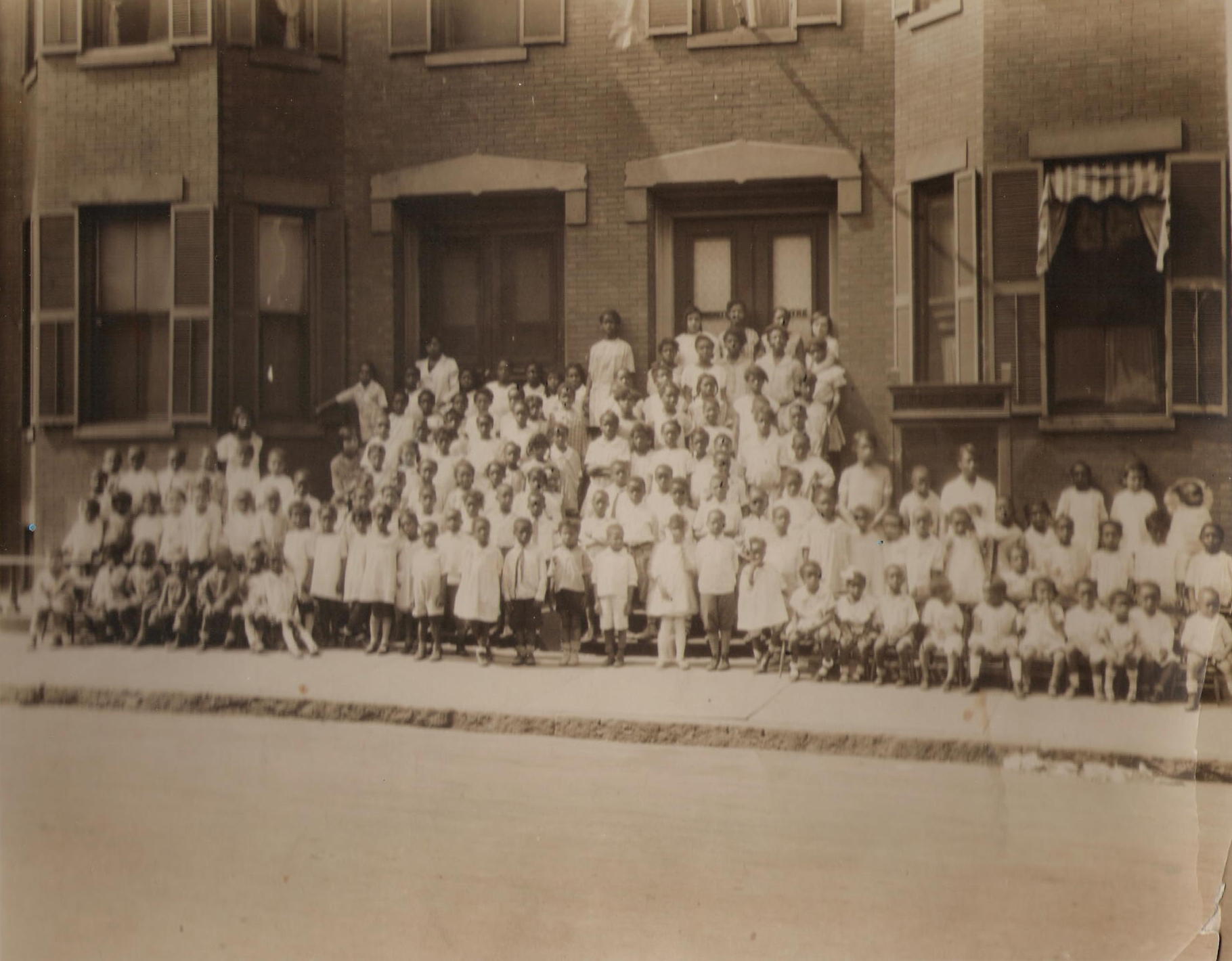
Development and Relocation
By the late 1910s and early 1920s, Cooper had expanded beyond church classrooms. The organization purchased several houses near Williams Street to support growing programming needs, including nursery services for children and space for neighborhood activities. During this era, Cooper increasingly established itself as a neighborhood institution focused on both education and community support.
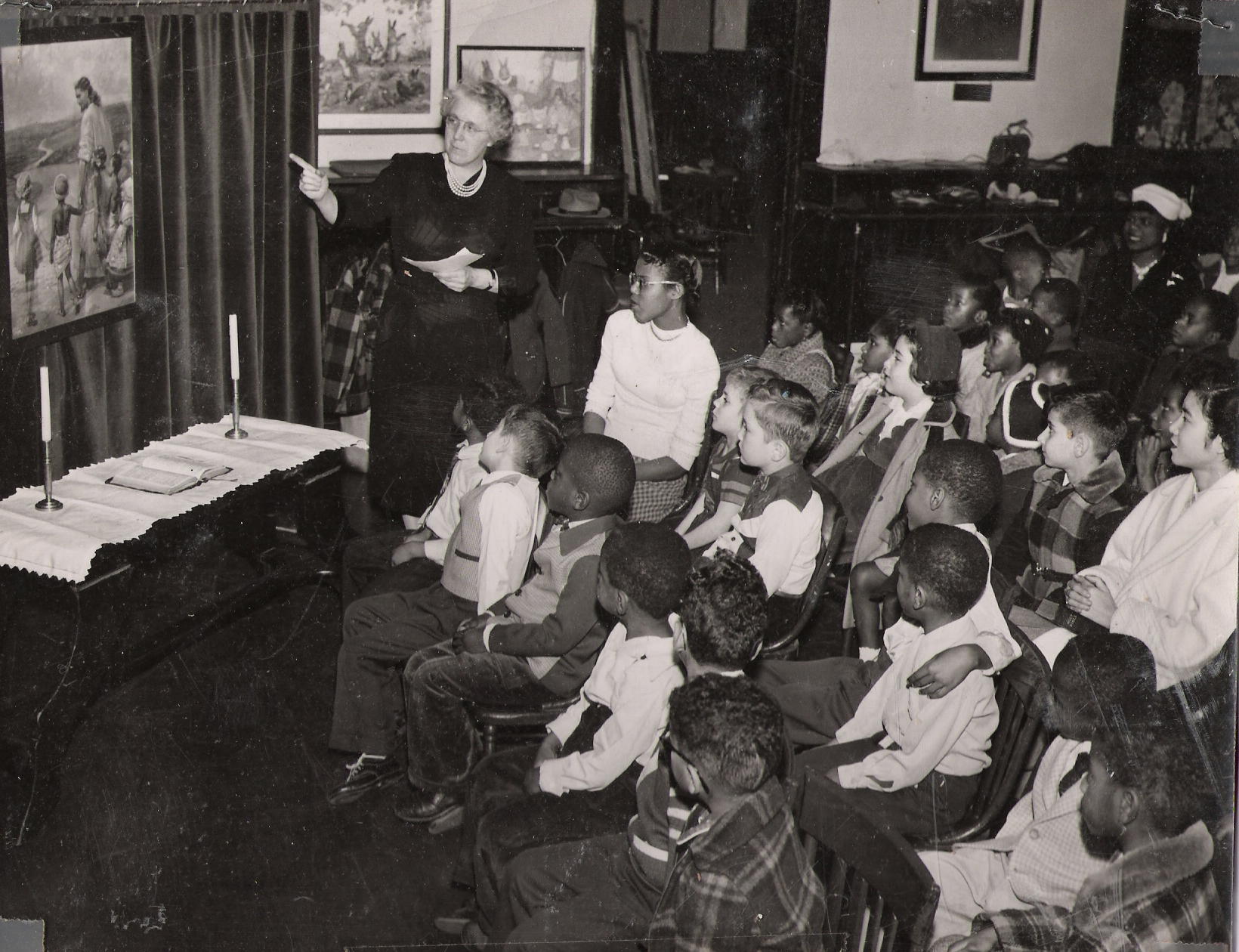
Throughout the mid-20th century, the Center expanded its role in Roxbury. Cooper organized social clubs for older adults, community gatherings, and educational programming while continuing to support children and families. Leadership structures became more formalized, with the establishment of a Board of Directors in the 1960s. In 1966, the organization celebrated its 50th anniversary with a Golden Anniversary Benefit Banquet, reflecting its growing importance within the community
Community Impact and Leadership Development
In the early 1970s, Cooper-Benevolent Fraternities was designated as the developer for a new facility at 1891 Washington Street. Funding support came from Boston Model Cities and federal urban development programs. Construction of the current Cooper Center building took place between 1975 and 1976, and the organization officially moved into the facility in 1978. The new building was dedicated to urban renewal efforts in Roxbury and represented a major investment in long-term community infrastructure.
From the late 1970s through the 1990s, Cooper expanded into a broad range of youth, educational, and community programs. The Center served hundreds of participants annually across Greater Boston. Programming included youth employment and leadership opportunities, tutoring and educational support, athletic teams and track programs, arts and cultural events, and collaborative partnerships with schools, colleges, and community organizations. Cooper also developed services for older adults, including senior recreation and wellness activities.
Looking Ahead
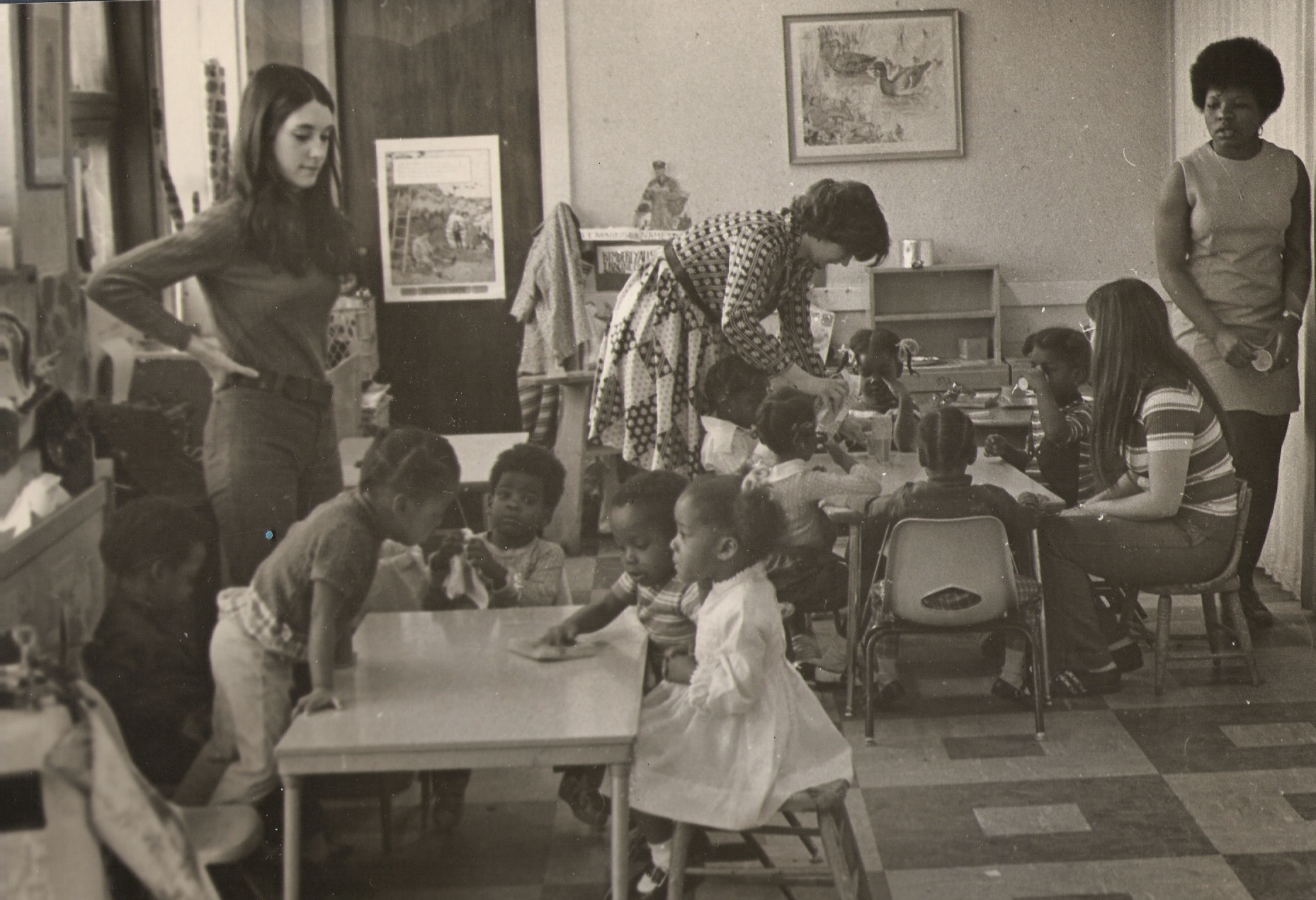
Early childhood education increasingly became a central focus of the organization. By the early 2000s, Cooper strengthened its commitment to high-quality early learning, eventually achieving accreditation through the National Association for the Education of Young Children (NAEYC). Partnerships with educational institutions such as Northeastern University helped expand enrichment and tutoring opportunities for children.
Today, the Hattie B. Cooper Community Center continues to serve Roxbury and the Greater Boston Area through early childhood education, family support, youth programming, and community partnerships. While the organization has evolved significantly since its founding in 1916, its core mission remains rooted in strengthening children, families, and community through accessible, neighborhood-based services. The Center’s history reflects more than a century of adapting to the changing needs of Boston residents while remaining deeply connected to the community it was founded to serve.
